Is A Regular Toothbrush As Good As An Electric One?
Electric toothbrushes consistently outperform manual ones in studies — investing in a powered brush is one of the best things you can do for your long-term dental health.
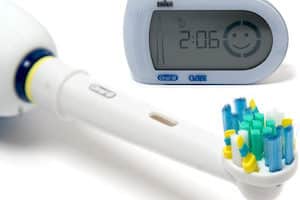
If you are interested in keeping your teeth for many, many more years, go ahead and invest in a good quality powered toothbrush. It is an investment that you will be smiling about for a very long time.
Powered (electric) toothbrushes are indeed worth the investment for most people.
Based on Cochrane Collaboration reviews and multiple clinical trials:
- Powered vs. manual brushes
- Powered brushes remove more plaque and reduce gum inflammation better than manual brushes.
- They are no more likely to cause gum injury than manual brushes.
- Rotation–oscillation (e.g., Oral-B) vs. sonic (e.g., Sonicare)
- Rotation–oscillation brushes (small round heads that rotate one way then the other) have shown slightly better plaque and gingivitis reduction than side‑to‑side/sonic brushes.
- The difference is small, and its real‑world clinical importance is uncertain. In practice, patients can do very well with either type.
- Clinical experience in the chair
- Patients generally do much better with a powered brush than with a manual brush.
- Helpful features include:
- High-speed motion (e.g., thousands of oscillations per minute)
- Built‑in timers that encourage brushing for the full recommended time
- Ease of use, especially for people with limited dexterity
- Quality and cost differences
- Higher‑quality, rechargeable powered brushes tend to clean better than cheaper models that use replaceable batteries, likely due to stronger, more consistent power.
- In this case, you generally do get what you pay for.
Bottom line:
If you want to keep your teeth and gums healthy for many years, a good‑quality powered toothbrush—whether rotation–oscillation (like Oral‑B) or sonic (like Sonicare)—is a smart investment and typically outperforms a manual toothbrush.